


I’d been tracking Hurricane Beryl a week prior to its arrival as its historic and record-breaking formation moved through the Caribbean. I checked on the new friends from Puerto Rico who Texas Housers met only three weeks prior at NLIHC’s DHRC Convening. My family in Mexico braced for impact, while I began to alert the Houston community networks: It may come our way.
It wasn’t until Beryl entered the Gulf of Mexico on July 5 that it was certain that Southeast Texas would be the target.
Having just responded to the Derecho in May, communities had only taken a breath before Hurricane Beryl met them at their doorstep. Tree branches from the last storm still lined neighborhoods, supplies had not been fully restocked, and vacationers celebrating Fourth of July weren’t paying any mind to the news back home. People prepared with a moment’s notice as bands of rain with strong winds fell all weekend for hours at a time in Houston – almost like warning signals. Stores began limiting quantities of water, and lines of cars trailed at gas stations and grocery stores. We prepared in the ways we knew how: Batteries were charged, lanterns were at hand, hub houses were at the ready, and the community communication networks around our neighborhoods came online. Lists were prepared and boxes were checked, but we weren’t ready for the new challenges Hurricane Beryl would bring.
What happened to Houston?
Hurricane Beryl made landfall early on Monday, July 8 near Matagorda, Texas and passed on the west side of Houston that morning. The damage from the category 1 storm was extensive due to critical infrastructure damage from fallen debris. Unlike the Derecho that is categorized by its straight-line winds that only push in one direction, a hurricane’s winds are swirling in all directions. Trees were tousled about snapping tree branches; paved roads and grassy lawns were almost indistinguishable under the sea of leaves. The rain accumulation throughout the weekend softened the soil creating conditions that uprooted 50-100 year old trees. Homeowners who moved into these neighborhoods more than half a century ago, who may have planted the saplings, saw their towering trees topple onto homes and cars, pull down utility lines, and barricade them in their neighborhoods. Extensive damage to the electrical infrastructure left over 2 million people without power for days, and hundreds of thousands still in darkness a week after the storm.
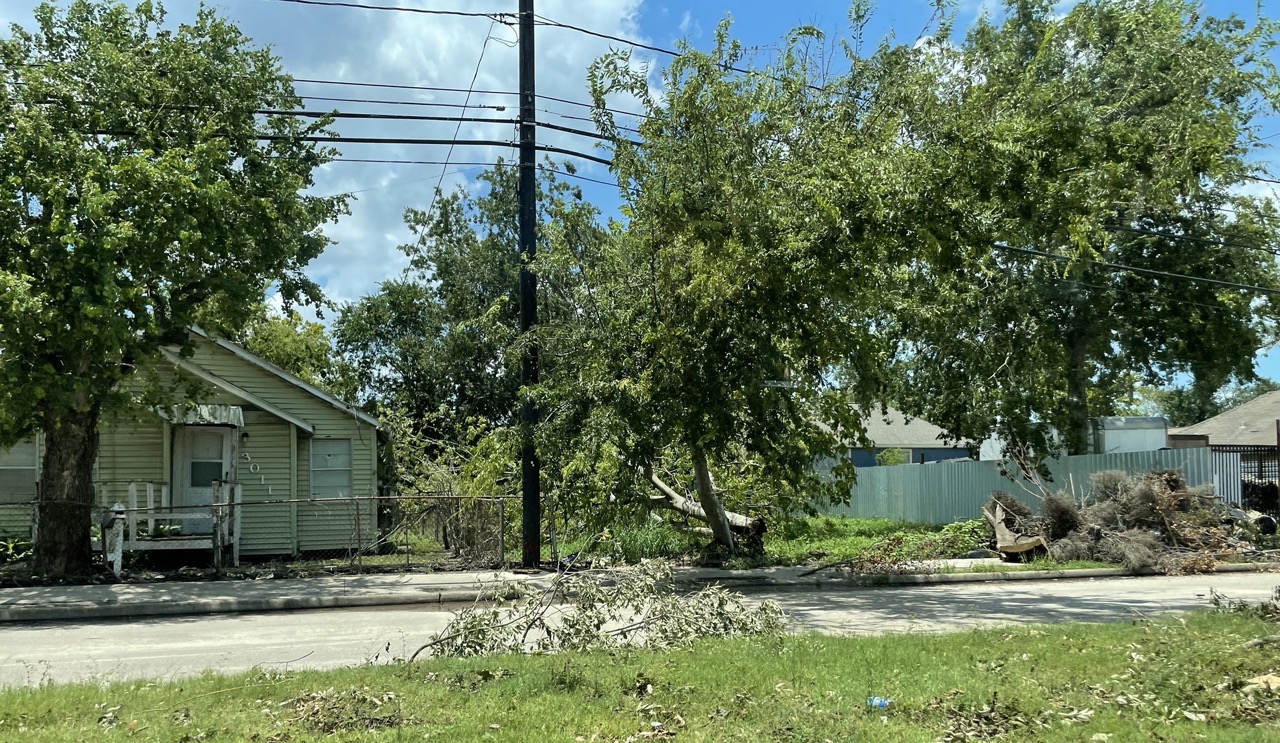


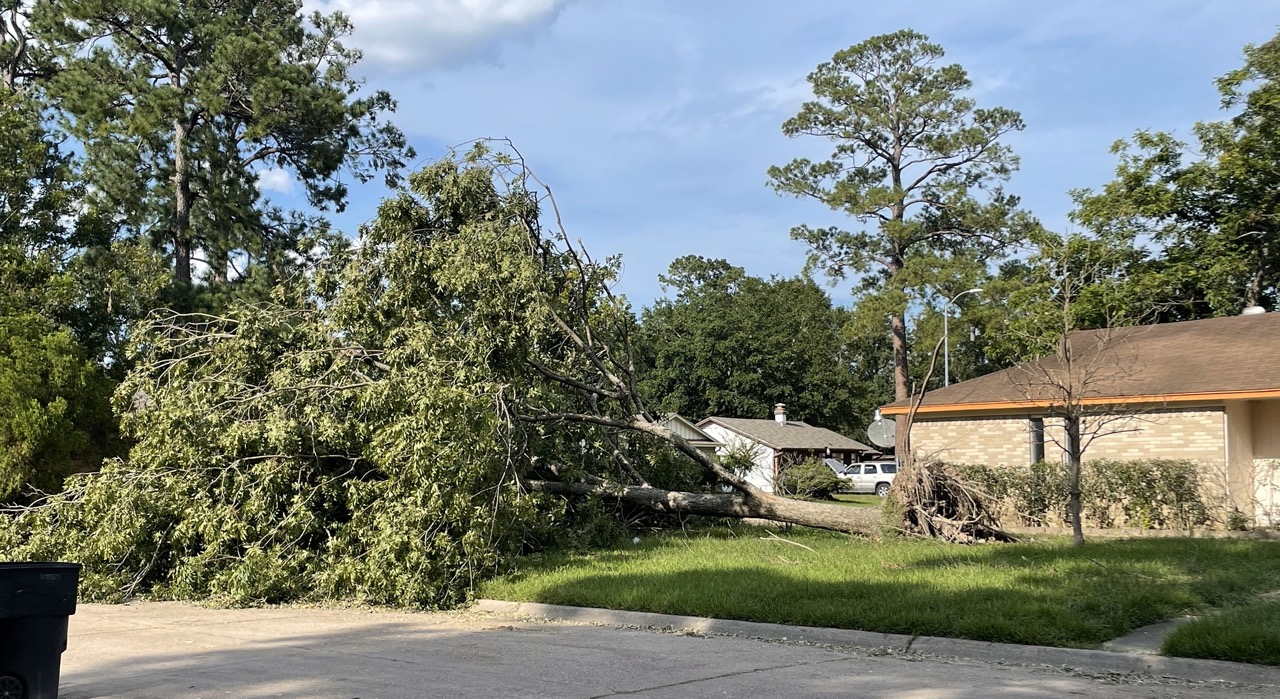


The unforeseen catastrophe that created our network’s largest barrier to immediate response was the lack of cellular and internet service. With no way of reliably sending or receiving messages, loved ones and neighbors could not report power loss, make wellness checks, or reach out to their neighbors to offer their own support. Without the ability to report damages and losses, despite the evident and widespread power loss, the federal government’s threshold had not been met and critical assistance could not be deployed. State and federal officials blamed each other on the news, but the ones who suffered are those who continued for days and into a week without power during a heat advisory in the sweltering Texas July heat. The authorization to release FEMA Individual Assistance was finally issued on July 12. Transitional Housing was approved two and a half weeks after the storm.
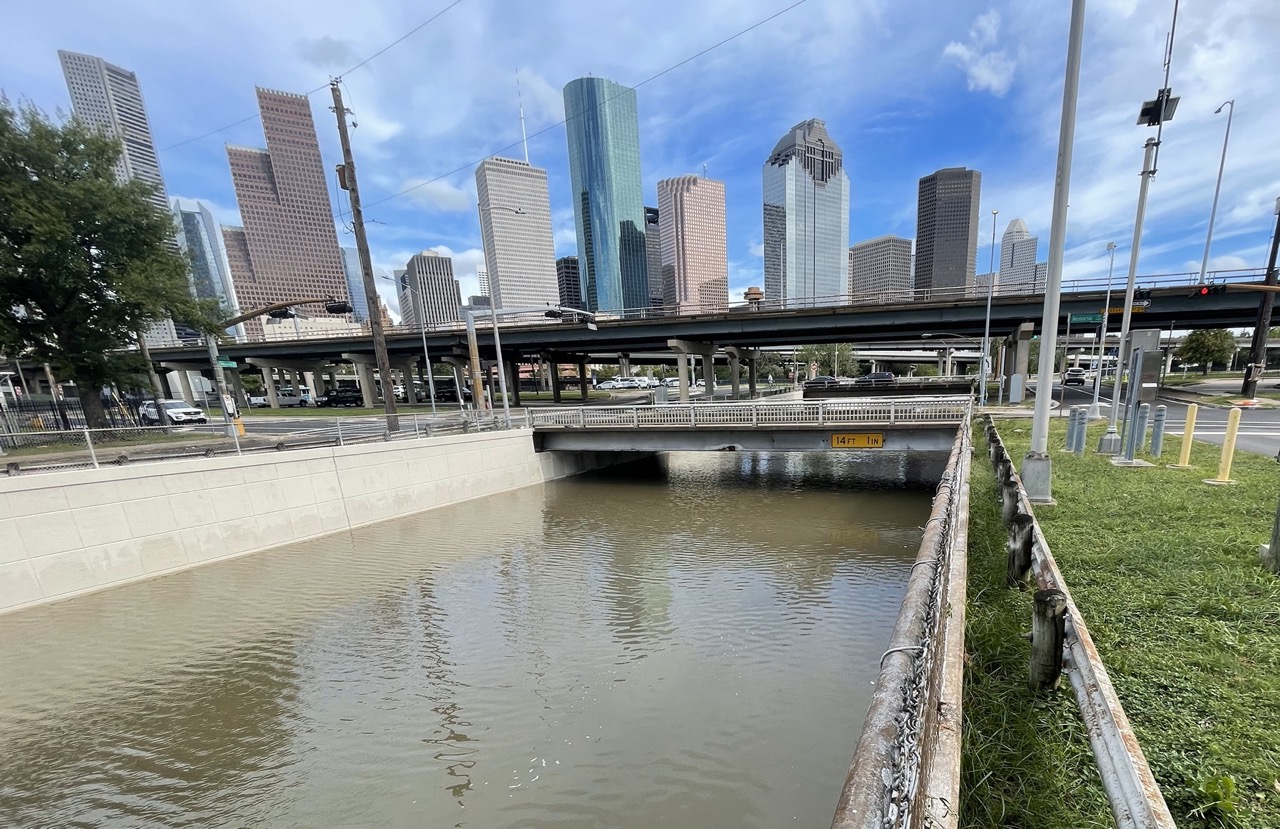


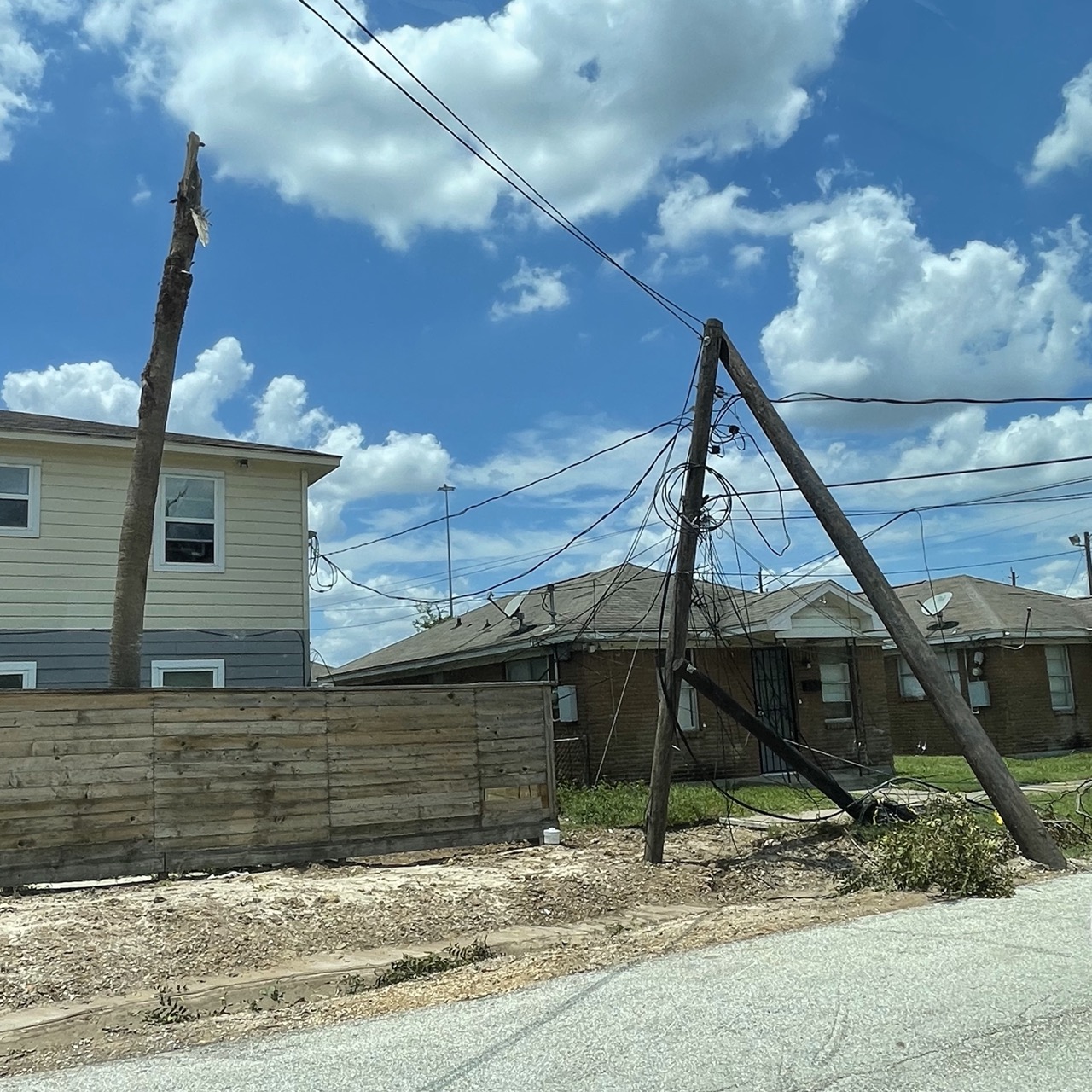

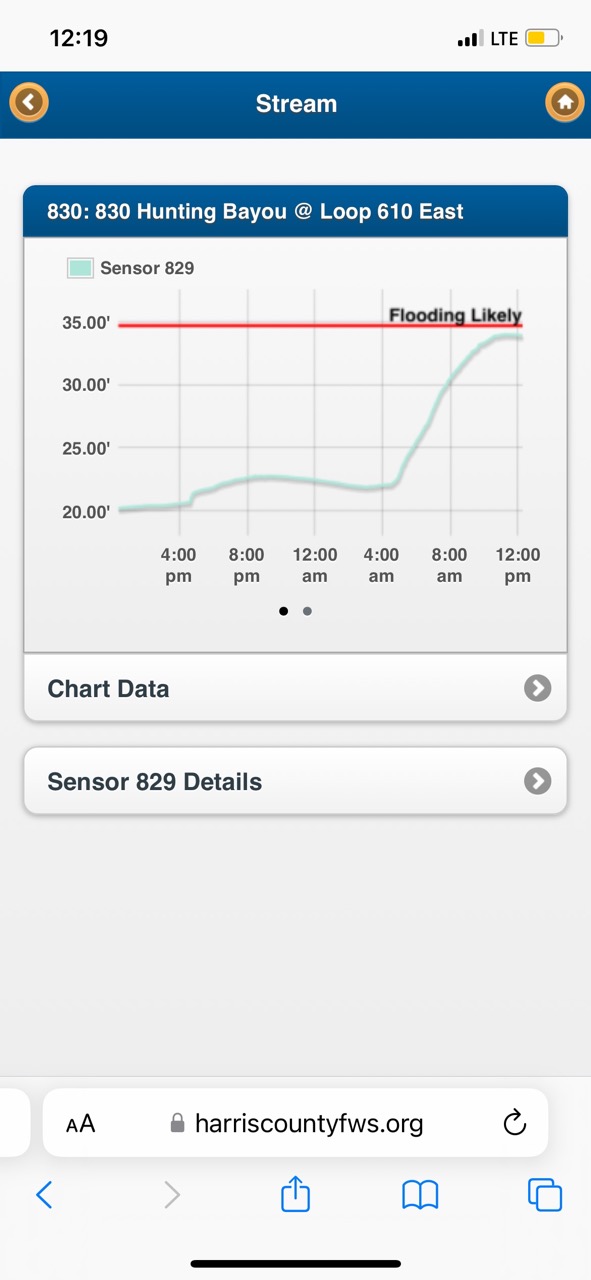


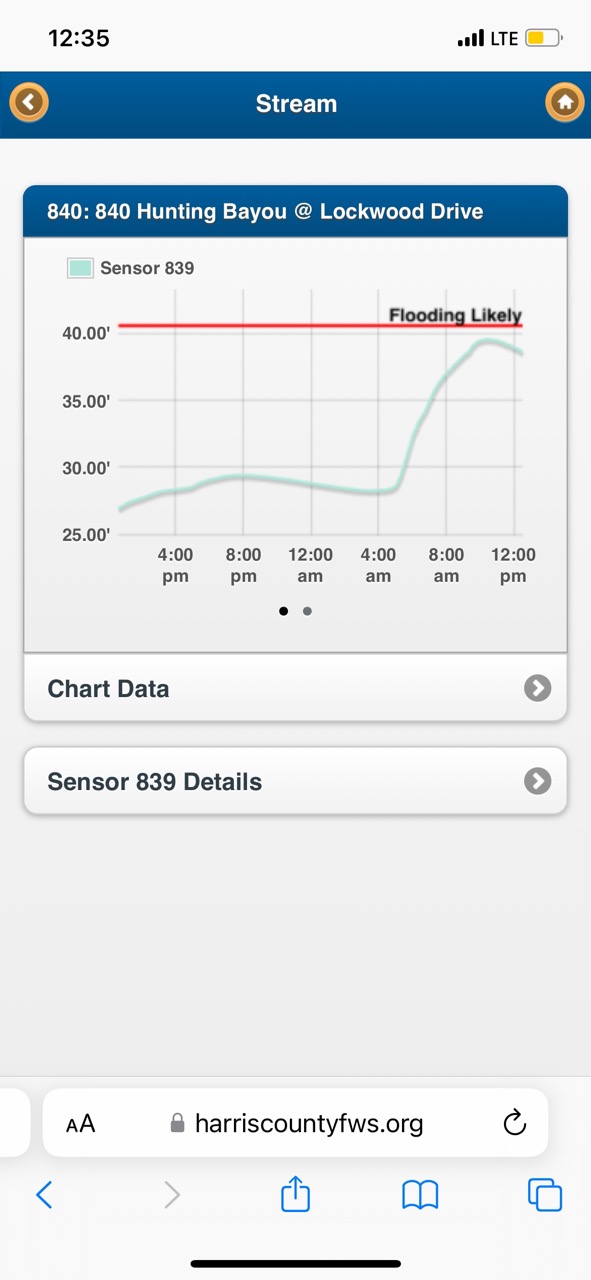
While some of these issues were new problems that we’d never experienced during a disaster, there were some of the same issues we are no stranger to; most notably flooding in homes. The Harris County Flood Warning System (FWS), seen in the pictures above, is a tool to track the amount of rainfall as well as the stream elevation at almost 200 locations within Harris County watersheds in real time. While none of the bayous crested over their banks during the hurricane, localized flooding is still prevalent. Long-time Northeast Action Collective (NAC) member Veronica was one of the first in our network to post news of water entering her home yet again. She and the rest of the NAC have been asking the City of Houston for drainage investments for years because she floods during every single major storm, and she isn’t the only one.
Where do we go from here?
Hurricane Beryl has cleared from our skies, and we have regained access to the majority of our utilities. We are at a moment of assessment where we are reflecting on what we can do better and how we can prepare ahead of time to respond faster and reduce the cost and time of disaster recovery.
The City of Houston was able to open and communicate the location of some cooling centers on Tuesday and slowly made more locations available and for longer periods of time. Many multi-purpose centers were not operational due to power loss. Ice and water distribution centers were stood up later. News of Centerpoint’s 20 “mobile” generators stored since 2021 that were unable to be deployed for use angered the community. The lack of mobilization left community members asking, why are these corporations allowed to monopolize a critical service, like electricity, and avoid strict regulation by the Public Utility Commission? This lack of accountability endangers the health and wellness of the community in favor of a financial bottom line. Just like the Derecho, community networks supported themselves and each other. However, the amount and size of trees that fell during Hurricane Beryl exceeds what we saw after the Derecho, and clearing the tree debris takes more than coordinated volunteers and chainsaws.
We know we must leverage existing networks to communicate with residents across every corner of the city and county. We know we must establish support for individuals who are medically-dependent or have increased barriers to evacuation or safe sheltering in place. We know we must prepare for any possible outcome of damage before, during, and after the storm including power outages, mass sheltering, and eventually the debris clearing, and mucking and gutting. And we know all of this costs money.
All levels of government must unify in a common cause to support the disaster response of community members, so any funding utilized for response and recovery is used in the most efficient and effective manner that puts homeowners and renters in the best position to recover. Especially, because as of late July, we still have yet to enter peak hurricane season.

We at Texas Housers will soon share our thoughts on how we must repair our broken disaster recovery systems. But for now, the fresh green leaves will pile on top of the crispy brown ones. The tarps will go up. The emergency packs will be restocked. And Houstonians will band together in resilience as the 2024 Hurricane season continues, and hope the government stands beside us in our resilience.

